
How to Get a Stuck Ring Off Your Finger Safely
It happens in a split second. You look down, and the ring that has lived comfortably on your finger for years suddenly feels like a tourniquet. Maybe your hands were cold, maybe you slept with it on after a salty meal, or maybe you bumped your finger and it started to swell. Panic sets in fast, and the instinct is to pull. Do not pull.
Tugging a stuck ring is the worst thing you can do. It irritates the skin, increases blood flow to the area, and makes the swelling worse—turning a tight situation into a genuinely dangerous one. The good news is that most stuck rings can be removed at home with a little patience, the right technique, and a few things you already have in your kitchen or bathroom. This guide walks you through the safest methods, step by step, and tells you exactly when it is time to stop playing MacGyver and head to urgent care.
First, Stop and Assess the Situation
Before you try anything, take a breath and look at your finger. Is it just tight, or is something more serious happening? A ring becomes an emergency when it begins to cut off circulation. The signs are unmistakable: your fingertip turns pale, white, or bluish; you feel numbness or tingling; or the finger is visibly cold and dusky. If you see any of these signs, skip the home remedies and seek medical attention immediately. A ring that has compromised blood flow for too long can cause permanent nerve or tissue damage.
If your finger still looks pink, feels warm, and you have normal sensation, you have time to try the methods below. The key is to work with your body, not against it. Swelling is the enemy, so the entire strategy revolves around reducing it or creating a path around it.
The Gentle First Line of Defense: Lubrication, Elevation, and Cold
Before you even think about string or floss, give your finger a chance to calm down. This three-part approach is the least invasive method and is often all it takes, especially if the swelling is mild.
Step 1: Elevate Above Your Heart
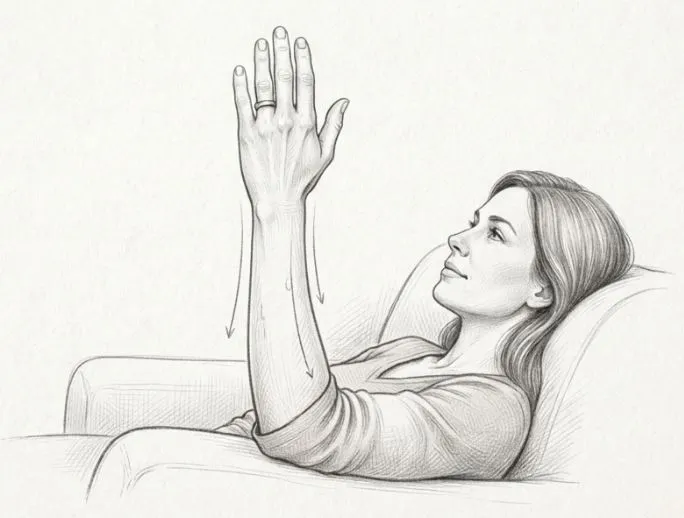
Raise your hand above the level of your heart and hold it there for five to ten minutes. This uses gravity to help drain fluid away from your fingers and reduce the puffiness that is trapping the ring. You can rest your elbow on a table or hold your arm up while you watch TV. It sounds almost too simple, but it is a foundational step that makes everything else more likely to work.
Step 2: Apply Cold
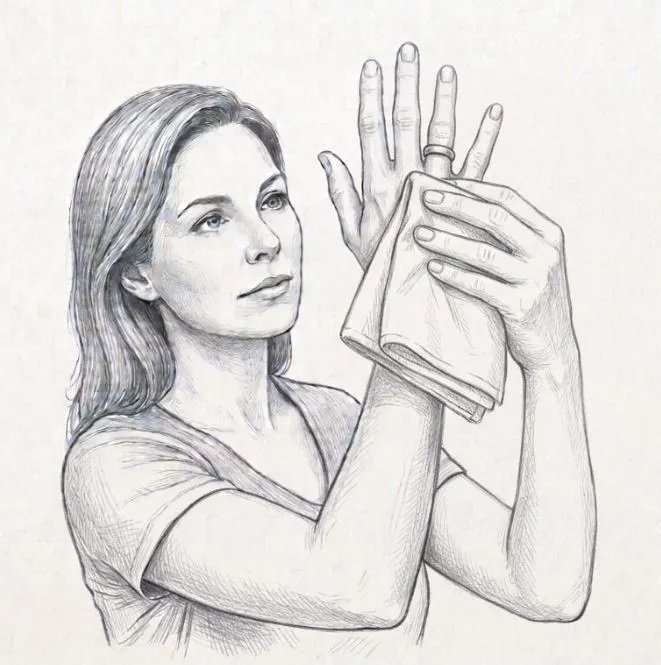
While your hand is elevated, wrap an ice pack or a bag of frozen peas in a thin towel and apply it to your finger and the ring. Cold causes blood vessels to constrict, which directly reduces swelling. Keep the ice on for about five to ten minutes. Do not put ice directly against bare skin for long periods, as it can cause ice burn.
Step 3: Lubricate Generously
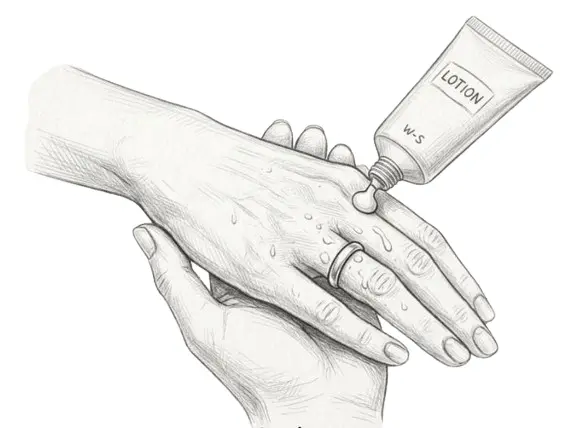
Once the swelling has had a chance to go down, reach for a lubricant. Medical sources consistently recommend water-soluble lubricants because they are safe for skin and effective. Good options include:
- Dish soap mixed with a little water
- Hand lotion or moisturizer
- Cooking oil (vegetable, olive, or canola)
- Petroleum jelly (like Vaseline)
One surprising but well-known trick from hand surgeons is Windex (or a similar glass cleaner). It sounds strange, but the slightly slippery, slightly astringent formula can help shrink tissue and provide lubrication simultaneously. Apply your chosen lubricant generously all around the ring and the skin underneath it.
Now, try to remove the ring with a twisting motion, not a pulling motion. Imagine you are unscrewing a tight jar lid. Gently rotate the ring back and forth while applying light outward pressure. Pulling straight off is more likely to catch on the knuckle and cause pain. If the ring will not budge after a few gentle attempts, move on to the next method.
The String Method: The Technique That Saves Rings
If lubrication and cold fail, the string method (also called the dental floss method) is the gold standard for home removal. It is used by emergency room physicians and hand surgeons because it is remarkably effective at compressing the swollen tissue so the ring can glide over the knuckle. It requires a little coordination, but it is worth learning.
What You Need:
- A length of strong, thin string—dental floss works best, but fine thread or even a thin rubber band can work. You want something that will not break under tension.
- A lubricant (soap, oil, or lotion).
- Optional: a needle, paperclip, or forceps to help guide the string under the ring if it is very tight.
Step-by-Step Instructions:
1. Prepare the string. Cut a piece of floss or string that is at least 18 to 24 inches long. You need enough to wrap around your finger multiple times and still have a tail to hold.
2. Thread the string under the ring. Take one end of the string and slide it under the ring, from the side closest to your fingertip toward the side closest to your palm. If the ring is extremely tight, use a needle or a bent paperclip to gently guide the string through. Leave a few inches of string hanging out on the palm side. This short end is your "anchor."
3. Wrap the finger. Take the long end of the string (the one on the fingertip side) and begin wrapping it snugly around your finger. Start right next to the ring and work your way toward your fingertip, over the knuckle. Each loop should sit tightly against the one before it. The goal is to compress the swollen tissue, creating a smooth, narrow "ramp" for the ring to slide over. Do not wrap so tightly that it is painful—you are compressing fluid, not cutting off circulation.
4. Tuck the end. When you have wrapped past the widest part of your knuckle, tuck the long end of the string under the last loop to secure it, or simply hold it firmly.
5. Unwind to remove. Now, take the short anchor end that is hanging out from under the ring and pull it gently. As you pull, the string will begin to unwrap from around your finger. The ring will be pushed ahead of the unwrapping string, sliding over the compressed tissue and off your finger. Work slowly and steadily. You may need to guide the ring with your other hand as it moves.
If the string breaks or the ring still will not move, do not re-wrap repeatedly. Give your finger a rest and try again after re-elevating and icing, or consider seeking professional help.
What About Cutting the Ring Off?
Cutting the ring is a last resort, but it is sometimes necessary. If the ring is made of a soft metal like gold, silver, or copper, a jeweler or an emergency room doctor can cut it off with a manual ring cutter in a matter of seconds. The tool has a small guard that slips under the ring to protect your skin while a saw-toothed wheel cuts through the metal. Once cut, the ring can be spread apart and removed.
Do not attempt to cut a ring off at home with household tools unless you have absolutely no other option and are trained to do so. Jewelry saws, wire cutters, and rotary tools can easily slip and cause serious lacerations to your finger. For hard metals like titanium, stainless steel, or tungsten carbide, special equipment may be required, and a hospital is the safest place to be. A jeweler can often cut and repair a ring for a reasonable fee, preserving the sentimental value.
When to Stop Trying at Home and Get Help
Knowing when to call it quits is just as important as knowing the techniques. Seek medical attention immediately if you notice any of the following:
- Your finger is changing color. A pale, white, blue, or dusky fingertip means blood flow is compromised.
- You feel numbness or tingling. This is a sign of nerve compression.
- The finger is cold to the touch.
- You have severe pain that is not relieved by elevating and icing the finger.
- There is an open wound, cut, or sign of infection around the ring.
- You have tried the methods above for 15 to 20 minutes without success and the finger is becoming more swollen.
Emergency departments, urgent care clinics, and many fire departments have ring cutters and staff who are experienced in removing stubborn jewelry. They can also provide a digital nerve block to numb the finger if the procedure is painful. Do not let embarrassment keep you from getting help—this is a common problem, and they see it all the time.
Preventing the Next Stuck Ring
Once the ring is off, take a moment to think about why it got stuck. Fingers change size throughout the day and over the years due to temperature, hydration, salt intake, weight fluctuations, and conditions like arthritis. A ring that fits perfectly in the morning may be tight by evening.
- Remove your rings before activities that can cause swelling, such as intense exercise, long flights, or sleeping in a hot room.
- Take rings off before lifting heavy objects or doing manual labor that could injure your hand.
- Have your rings resized if they consistently feel tight. A jeweler can add a small amount of metal to make the band more comfortable.
- If you injure your hand or arm, remove your rings immediately, even if the injury is not on your finger. Swelling from a wrist or elbow injury can travel down to your fingers.
Frequently Asked Questions
Can I use butter or margarine to lubricate my finger?
It is better to stick with soap, oil, or lotion. Butter is greasy but can be messy and may not be as slippery as a dedicated lubricant. Cooking oil is a safer bet.
Will the string method hurt?
It can be uncomfortable, especially if the finger is already sore. The wrapping creates a tight sensation, but it should not cause sharp pain. If it does, stop and seek help. A doctor can numb the finger before trying.
What if the ring is a family heirloom and I don't want it cut?
Tell the doctor or jeweler. They will try every non-cutting method first. If cutting is the only option, a jeweler can often repair the ring afterward, sometimes invisibly.
My ring is titanium. Can it be cut?
Titanium is very hard and cannot be cut with a standard manual ring cutter. It usually requires a powered saw or a special cutting tool found in a hospital or a specialist jeweler. Do not attempt to cut it at home.
How long can a ring safely stay stuck?
There is no single answer, but the clock starts ticking as soon as circulation is compromised. If the finger remains pink and warm, you have some time. If it changes color or goes numb, every minute matters. When in doubt, get it checked.
A stuck ring is a stressful detour in your day, but it is almost always solvable. Stay calm, avoid pulling, and work through the methods in order. Your finger—and your ring—will thank you.
Related articles: