
How to Keep Rings From Tarnishing: Easy Tips That Really Work
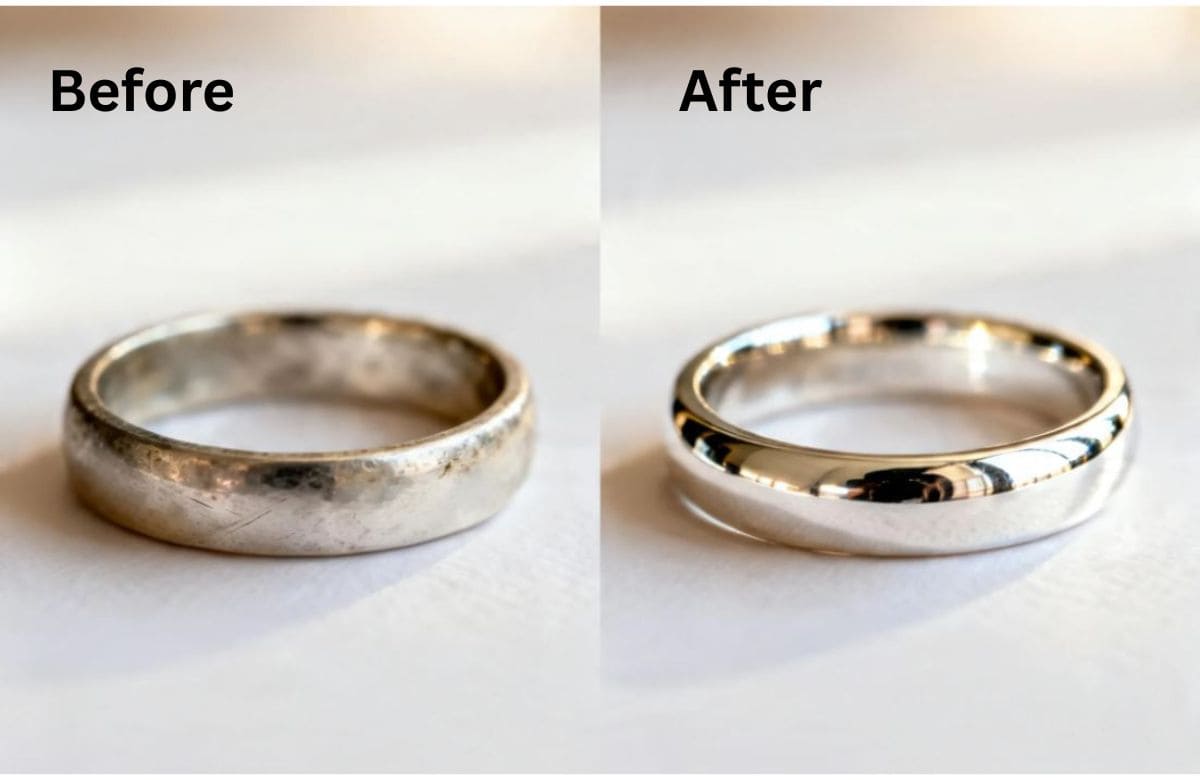
Few things match the frustration of opening your jewelry box to find your favorite ring looking dull, dark, or discolored. Tarnish is a natural headache for jewelry lovers, transforming brilliant silver and warm gold into muted, unattractive shades. Fortunately, tarnishing is not permanent, nor is it inevitable.
By understanding why rings lose their luster and adopting a few simple, proactive habits, you can protect your jewelry collection indefinitely. This guide breaks down the science of tarnish, explores everyday prevention strategies, and outlines effective care methods to ensure your rings remain as brilliant as the day you acquired them.
Understanding the Science: Why Do Rings Tarnish?
To effectively prevent tarnish, it helps to understand what it actually is. Tarnishing is a chemical reaction that occurs when the metals in your jewelry interact with elements in the surrounding environment. This process is primarily known as oxidation or sulfidation.
Pure gold and pure platinum are noble metals, meaning they resist oxidation and do not tarnish on their own. However, pure metals are generally too soft to withstand the wear and tear of daily use. To make them durable enough for rings, jewelers alloy (mix) them with other metals like copper, nickel, and silver. It is these alloyed metals that react with moisture, oxygen, sulfur, and acids, resulting in the dark film we recognize as tarnish.
- Sterling Silver: Composed of 92.5% pure silver and 7.5% other metals (usually copper). Copper reacts readily with sulfur compounds in the air, creating silver sulfide, which turns the metal black or gray.
- Gold Alloys (10k, 14k, 18k): While gold itself does not tarnish, the base metals mixed into lower-karat gold can react with environmental moisture and skin oils, causing a subtle darkening or warming of the metal over time.
- Brass and Copper: Frequently used in fashion and costume jewelry, these metals oxidize quickly when exposed to air and humidity, often leaving a green residue on your skin.
Everyday Habits for Tarnish Prevention
The most effective defensive strategy against tarnish is controlling how and when you wear your rings. Simple adjustments to your daily routine can dramatically reduce the rate of chemical reactions on the metal surface.
Adhere to the "Last On, First Off" Rule
Your cosmetics, perfumes, hairsprays, and lotions are among the primary culprits behind accelerated tarnishing. These products contain complex chemical compounds that bind to metal surfaces and trigger rapid oxidation. Make it a strict habit to put your rings on only after you have fully finished applying your makeup, skincare, and styling products. Conversely, take your rings off first when undressing or starting your evening routine.
Remove Rings Before Swimming and Bathing
Water itself can accelerate tarnishing, but treated water is significantly worse. Swimming pools and hot tubs are loaded with chlorine, a harsh chemical that can structurally weaken gold alloys and cause immediate discoloration in sterling silver. Similarly, tap water contains minerals, and municipal water supplies often include trace chemicals that degrade metal finishes. Keep a dedicated, secure dish near your bathroom and kitchen sinks to hold your rings safely while washing up.
Avoid Sweat and Strenuous Exercise
Human sweat contains lipids, lactic acid, and sodium chloride. The acidity levels in sweat vary from person to person, which explains why some individuals tarnish jewelry faster than others. When you exercise, garden, or engage in heavy physical labor, remove your rings. This prevents chemical exposure from sweat and eliminates the risk of scratching or warping the bands during activity.
Strategic Storage Solutions
When you are not wearing your rings, how you store them dictates how well they maintain their finish. Leaving rings exposed on a nightstand or hanging on an open jewelry tree invites constant contact with air and ambient humidity.
Invest in Airtight Environments
Because oxygen and moisture drive the tarnishing process, isolating your rings from the open air is critical. Store your rings in individual, resealable plastic bags (like small Ziploc bags) before placing them in your jewelry box. Ensure you press out as much air as possible before sealing the bag.
Utilize Anti-Tarnish Strips and Silica Gel Packs
Keep the packaging when you buy new shoes, electronics, or bags. The small silica gel packets found inside are excellent at absorbing moisture. Placing a few of these packets inside your jewelry drawer or box keeps the internal environment dry. Additionally, you can purchase specialized anti-tarnish strips made of absorbent papers that actively neutralize atmospheric sulfur before it can reach your silver and gold rings.
Separate Metals Carefully
Never toss all of your rings loosely into a single container. Harder metals, like platinum and diamonds, can easily scratch softer metals like sterling silver and gold. Furthermore, when an already tarnished piece of jewelry touches a clean piece, it can accelerate chemical reactions across both items. Use a fabric-lined jewelry box with individual slots, or wrap each ring softly in a piece of flannel or microfiber cloth.
Protective Coatings and Barriers
If you have sensitive skin, or if you own costume jewelry that seems to tarnish within hours of wear, creating a physical barrier between the metal and the environment can offer long-term protection.
Microcrystalline Wax Coatings
Products like Renaissance Wax are widely used by museum curators to preserve historic metal artifacts. Applying a microscopic layer of high-quality microcrystalline wax to your rings seals the metal away from oxygen, sweat, and moisture. It is safe for most metals and gemstones, does not feel greasy, and can be easily buffed to a beautiful shine.
Specialized Jewelry Sealants
Commercial jewelry sealants act like an invisible, durable shield over your rings. Unlike traditional clear nail polish—which can crack, yellow, and potentially damage fine metals over time—dedicated jewelry sealants are formulated to expand and contract subtly with temperature changes. They prevent the metal from oxidizing and stop the chemical reactions that turn your skin green.
Safe Maintenance and Gentle Cleaning
Even with meticulous care, rings will eventually require minor maintenance to clear away natural oil buildup before it hardens or darkens. Regular, gentle cleanings preserve the integrity of the metal without stripping away its finish.
The Power of Microfiber Polishing Cloths
After taking off your rings at the end of the day, give them a quick wipe with a clean microfiber or specialized jewelry polishing cloth. This removes skin oils and environmental dust before they can cause harm. Avoid using tissues, paper towels, or coarse fabrics, as their wood-pulp fibers can leave microscopic scratches on polished gold and silver surfaces.
Simple Soap and Water Bath
For a deeper clean, mix a few drops of mild, fragrance-free dish soap into a bowl of warm distilled water. Let your rings soak for five to ten minutes to loosen accumulated grime. Use an extra-soft bristle toothbrush to gently clean intricate settings and filigree work. Rinse the rings thoroughly in a separate bowl of clean distilled water, and dry them completely with a lint-free cloth before storing them away.
Conclusion
Keeping your rings pristine does not require expensive treatments or constant professional maintenance. By establishing simple defensive habits—such as removing jewelry before encountering water and chemicals, storing pieces in dry, airtight conditions, and wiping away oils after wear—you can effectively halt the tarnishing process. Implement these straightforward strategies today to preserve the beauty, sentiment, and value of your favorite rings for decades to come.